Radon Levels in Iowa
Iowa is classified as an EPA Zone 1 state with a very high risk for radon. Average indoor radon levels range from 5 to 10 pCi/L, and approximately 71% of Iowa homes test above the EPA action level of 4.0 pCi/L.
Iowa Radon Summary
High Radon Risk State
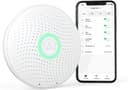
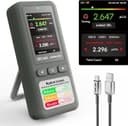
Iowa is among the higher-risk states for residential radon. The Iowa Department of Health strongly recommends that all residents test their homes. If you have not tested your home, consider ordering a test kit or radon detector today.
Key Facts About Radon in Iowa
- Iowa has the highest average radon levels of any US state
- Over 70% of Iowa homes test above the EPA action level of 4 pCi/L
- The Iowa Geological Survey identified radon as a serious public health issue in the 1980s
- Iowa's glacial till soils are exceptionally high in radium
- The University of Iowa radon research has been nationally influential
Iowa Testing Requirements & Recommendations
Iowa strongly recommends all residents test. Iowa has one of the most active state radon programs in the country.
Given Iowa's high radon prevalence, many homebuilders now routinely install passive radon-resistant systems in new construction.
Major Cities in Iowa
Radon levels can vary significantly within Iowa depending on local geology. All residents — regardless of city — should test their specific home, as neighborhood-level radon varies independently of broader state and county averages.
What Should Iowa Residents Do?
Test Your Home
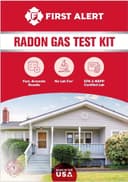
Use a short-term charcoal test kit ($15–$25) for an initial reading, or a continuous radon detector for ongoing monitoring. Test in your basement or lowest livable area.
Understand Your Result
If your result is below 2.0 pCi/L: monitor periodically. Between 2.0–4.0 pCi/L: consider mitigation. Above 4.0 pCi/L: the EPA recommends mitigation. Above 8.0 pCi/L: take action promptly.
Hire a Certified Contractor if Needed
Look for NRPP or NRSB-certified radon mitigation contractors in Iowa. Mitigation systems typically cost $800–$2,500 and can reduce radon levels by 50–99%.
Verify with a Follow-Up Test
After mitigation, test again to confirm the system is working. Retest every 2 years, or after significant home renovations.
Some links are affiliate links. Learn more.