Radon Levels in Massachusetts
Massachusetts is classified as an EPA Zone 1 state with a high risk for radon. Average indoor radon levels range from 2 to 6 pCi/L, and approximately 29% of Massachusetts homes test above the EPA action level of 4.0 pCi/L.
Massachusetts Radon Summary
High Radon Risk State
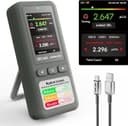
Massachusetts is among the higher-risk states for residential radon. The Massachusetts Department of Health strongly recommends that all residents test their homes. If you have not tested your home, consider ordering a test kit or radon detector today.
Key Facts About Radon in Massachusetts
- Massachusetts granite bedrock contributes significantly to radon levels
- Western Mass and the Pioneer Valley have the highest readings
- Boston metro area shows variable levels
- MA DPH conducts ongoing radon surveillance and education
Massachusetts Testing Requirements & Recommendations
Massachusetts recommends testing all homes with a basement or lowest livable area.
Massachusetts requires radon mitigators to be registered with the state.
Major Cities in Massachusetts
Radon levels can vary significantly within Massachusetts depending on local geology. All residents — regardless of city — should test their specific home, as neighborhood-level radon varies independently of broader state and county averages.
What Should Massachusetts Residents Do?
Test Your Home
Use a short-term charcoal test kit ($15–$25) for an initial reading, or a continuous radon detector for ongoing monitoring. Test in your basement or lowest livable area.
Understand Your Result
If your result is below 2.0 pCi/L: monitor periodically. Between 2.0–4.0 pCi/L: consider mitigation. Above 4.0 pCi/L: the EPA recommends mitigation. Above 8.0 pCi/L: take action promptly.
Hire a Certified Contractor if Needed
Look for NRPP or NRSB-certified radon mitigation contractors in Massachusetts. Mitigation systems typically cost $800–$2,500 and can reduce radon levels by 50–99%.
Verify with a Follow-Up Test
After mitigation, test again to confirm the system is working. Retest every 2 years, or after significant home renovations.
Some links are affiliate links. Learn more.