Radon Levels in North Dakota
North Dakota is classified as an EPA Zone 1 state with a very high risk for radon. Average indoor radon levels range from 4 to 10 pCi/L, and approximately 65% of North Dakota homes test above the EPA action level of 4.0 pCi/L.
North Dakota Radon Summary
High Radon Risk State
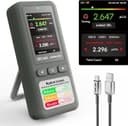
North Dakota is among the higher-risk states for residential radon. The North Dakota Department of Health strongly recommends that all residents test their homes. If you have not tested your home, consider ordering a test kit or radon detector today.
Key Facts About Radon in North Dakota
- North Dakota has the second-highest radon levels in the nation after Iowa
- Over 60% of ND homes test above the EPA action level
- The Williston Basin's uranium-rich geology is a primary contributor
- North Dakota strongly emphasizes radon education in public health outreach
North Dakota Testing Requirements & Recommendations
North Dakota strongly recommends testing all homes. ND DOH provides free test kits to residents.
North Dakota has a well-developed radon mitigation industry given the high prevalence.
Major Cities in North Dakota
Radon levels can vary significantly within North Dakota depending on local geology. All residents — regardless of city — should test their specific home, as neighborhood-level radon varies independently of broader state and county averages.
What Should North Dakota Residents Do?
Test Your Home
Use a short-term charcoal test kit ($15–$25) for an initial reading, or a continuous radon detector for ongoing monitoring. Test in your basement or lowest livable area.
Understand Your Result
If your result is below 2.0 pCi/L: monitor periodically. Between 2.0–4.0 pCi/L: consider mitigation. Above 4.0 pCi/L: the EPA recommends mitigation. Above 8.0 pCi/L: take action promptly.
Hire a Certified Contractor if Needed
Look for NRPP or NRSB-certified radon mitigation contractors in North Dakota. Mitigation systems typically cost $800–$2,500 and can reduce radon levels by 50–99%.
Verify with a Follow-Up Test
After mitigation, test again to confirm the system is working. Retest every 2 years, or after significant home renovations.
Some links are affiliate links. Learn more.